
Skip to content
The terraces of Ellerman House opening to the Atlantic at sunset

Stewardship Shaped Through People, Place Culture and Responsible Hospitality Practices

At Ellerman House, sustainability is reflected in everyday decisions, community partnerships and long-term investment in culture, education and the environment.

A Considered Approach to Lasting Hospitality Responsibility Practices

Sustainability extends beyond environmental initiatives alone at Ellerman House. It informs how the house operates, how resources are managed and how relationships are built within the wider community. From responsible sourcing and conservation to education and the arts, each initiative is approached with a long-term view. Together, these efforts form part of daily life at the house and contribute to a more sustainable future for the people, places and communities connected to it.

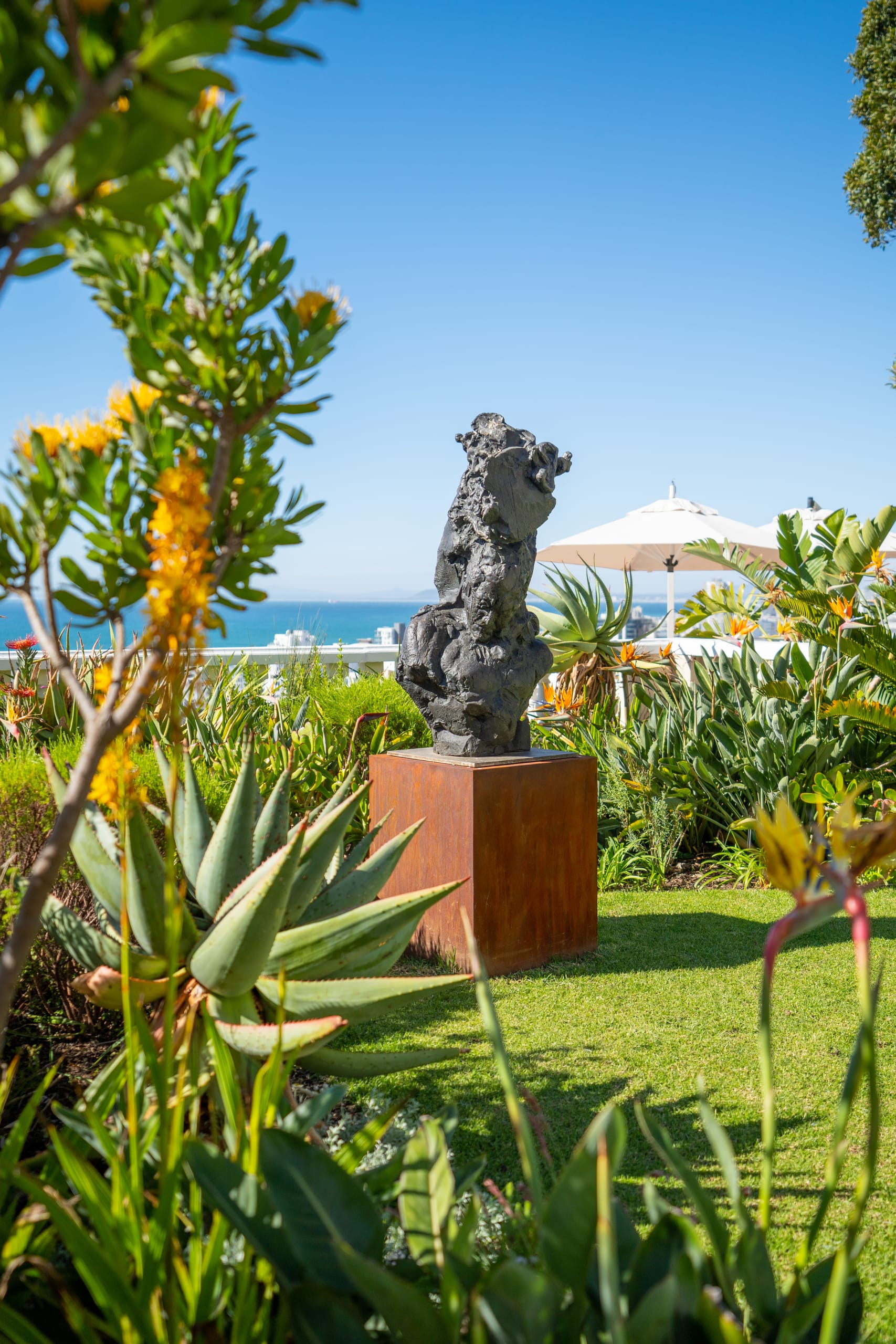
A sculpture set among the indigenous gardens above the sea

Environmental Responsibility

Over the years, Ellerman House has introduced a range of initiatives aimed at reducing environmental impact and supporting responsible hospitality practices. These include energy-efficient lighting, heat pumps, solar integration, recycling and composting programmes, water-saving systems and indigenous landscaping. While the approach continues to evolve, the focus remains on practical improvements that can make a meaningful difference over time.

Indigenous Landscapes

The gardens at Ellerman House have been carefully reshaped to reflect the indigenous plant life of the Cape. Lawns and imported species have gradually made way for fynbos varieties including proteas, restios, salvias and other native plants. This approach reduces water usage, supports local biodiversity and strengthens the connection between the house and the landscape that surrounds it.

Supporting Education and Opportunity Through Long-Term Community Investment Initiatives

Education remains an important focus of Ellerman House's community efforts. Through its support of Click Learning, the house helps expand access to literacy, numeracy and digital learning opportunities in under-resourced schools. The programme combines technology, educational support and local facilitation to help create stronger learning foundations and greater opportunities for young South Africans.

A young learner engaged in a digital learning programme

Click Learning

Founded in 2012, Click Learning was established on the belief that technology can play a transformative role in education when used effectively and at scale. The organisation delivers digital learning programmes to under-served primary schools across South Africa, helping learners strengthen English literacy and numeracy skills during their formative years.

Through interactive, technology-enabled learning, children are able to progress at their own pace while building confidence and core educational foundations. Today, Click Learning reaches more than 220,000 learners across 220 schools and has created employment opportunities for over 950 youth facilitators. The programme continues to expand its impact by helping improve educational outcomes in communities where support is needed most.
ArtAngels

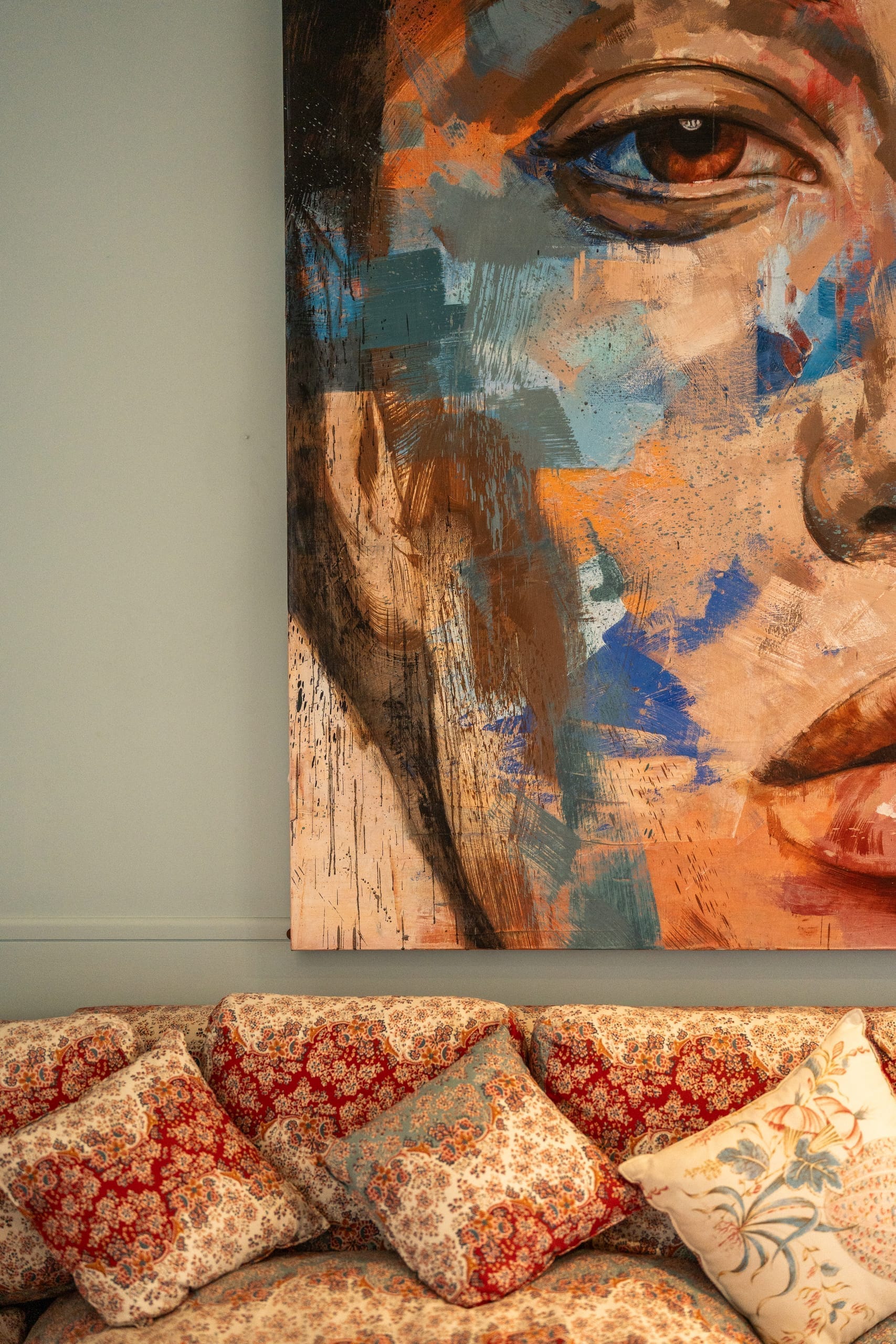
Since 2011, Ellerman House has hosted ArtAngels, an annual charity auction in support of Click Learning. The event brings together artists, collectors, guests and supporters to raise funds for education through the sale of donated artworks and other fundraising activities.

Over the years, ArtAngels has become an important platform for both South African art and educational support. To date, the initiative has raised more than R26 million, helping Click Learning expand its reach while also supporting a number of related educational projects across the country.


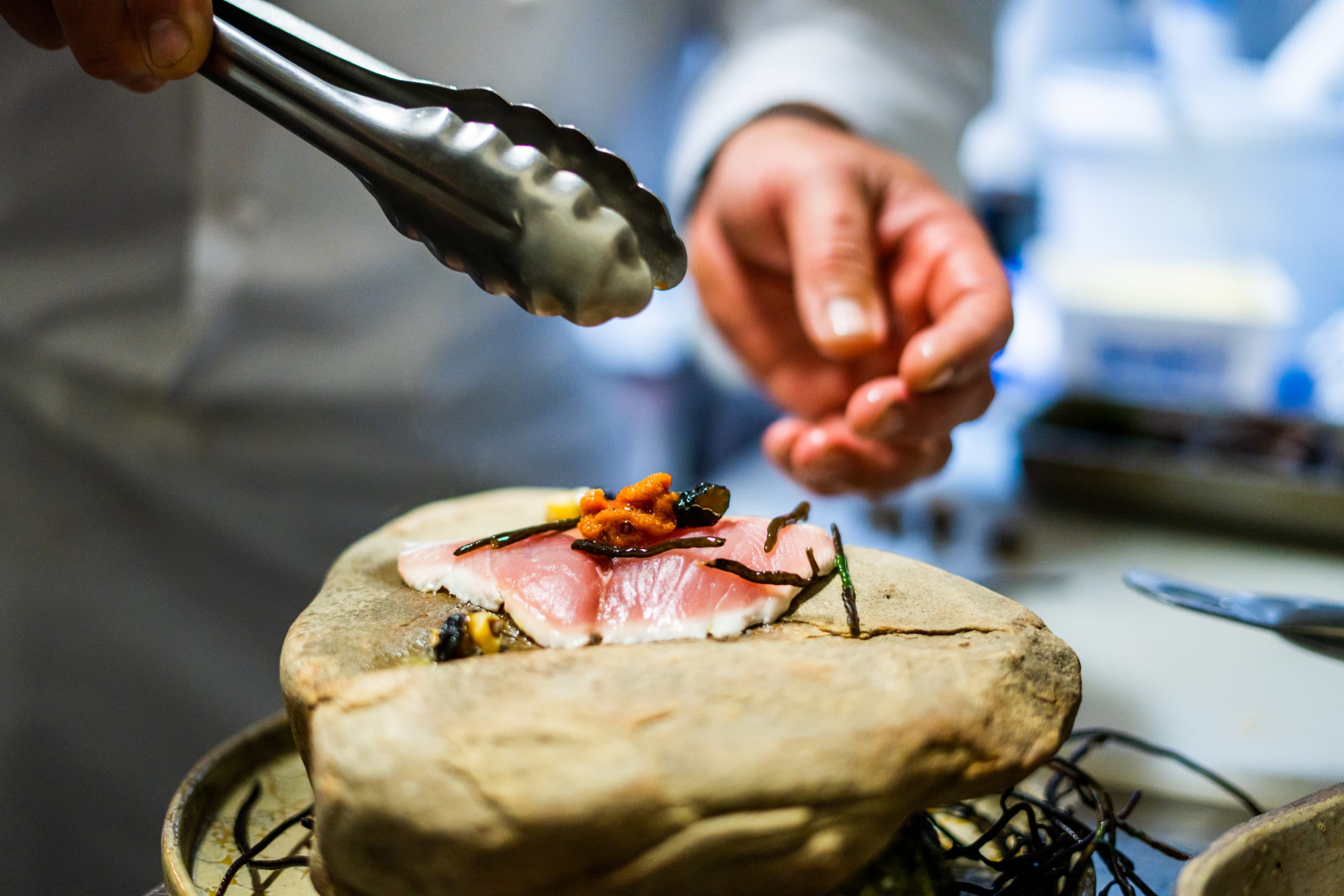
A chef finishing a dish of the day's responsibly sourced catch

Responsible Cuisine

Cuisine at Ellerman House is guided by seasonality, provenance, and a close connection to South African produce and suppliers.

Menus prioritise locally sourced ingredients and responsible seafood practices while celebrating regional culinary identity. This considered approach supports both sustainability and craftsmanship, creating dining experiences that reflect the landscapes, producers, and traditions that shape contemporary South African cuisine.

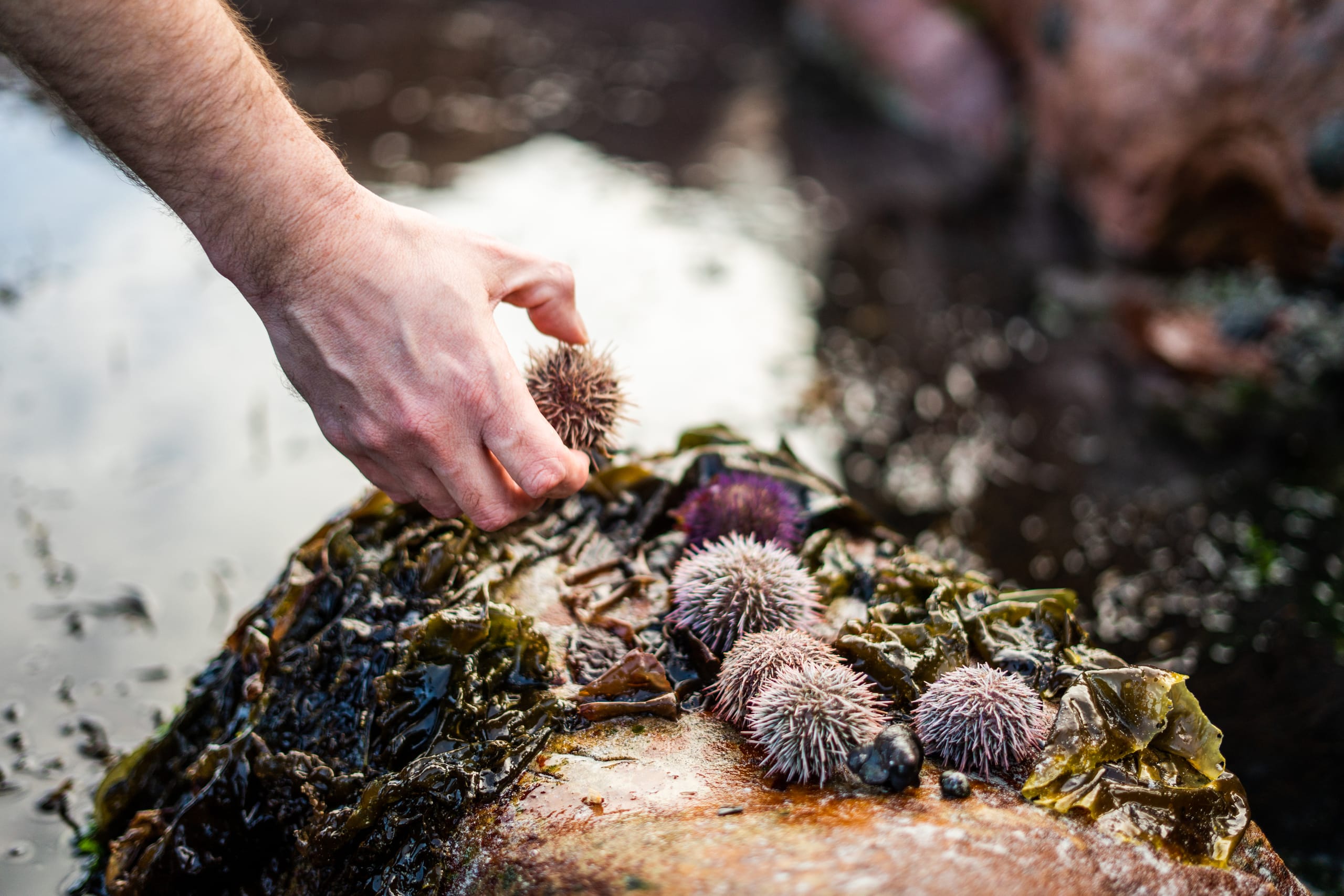
Foraged coastal ingredients gathered along the shoreline